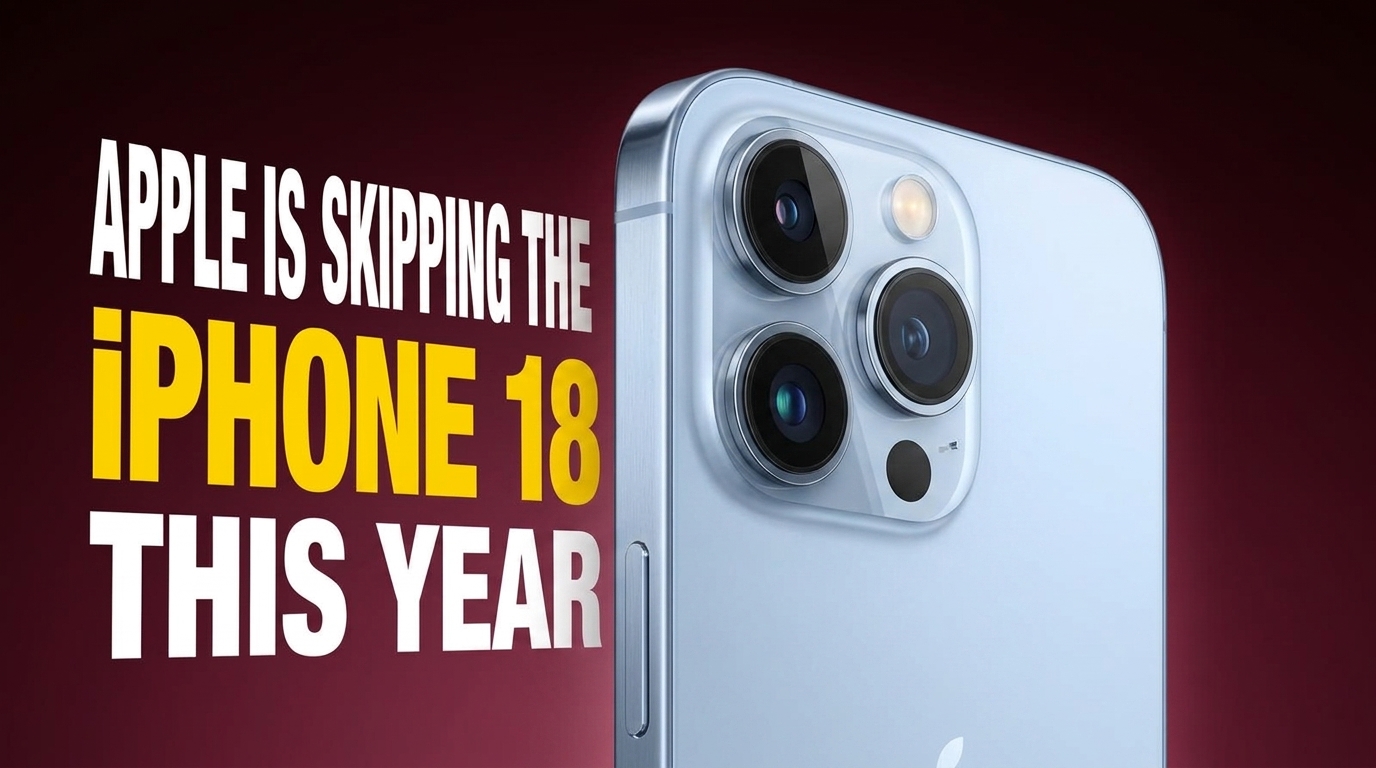
Apple may be preparing one of the biggest changes to its iPhone launch strategy in years. According to recent reports, the company is expected to unveil only its premium iPhone models during its traditional September event, while delaying the standard iPhone 18 lineup until early 2027.
If the reports are accurate, Apple fans waiting for the regular iPhone 18 could have to wait several more months than usual.
Apple Could Split Its iPhone Launch Schedule
For many years, Apple has introduced its entire flagship iPhone lineup during its annual September event. Typically, customers see the standard model, Pro models, and any new additions announced together.
However, that strategy may soon change.
Reports suggest Apple is planning to separate its premium and standard iPhone releases.
During the expected September 2026 event, Apple may introduce:
- iPhone 18 Pro
- iPhone 18 Pro Max
- A new foldable iPhone, reportedly called the iPhone Ultra
Meanwhile, the following models may not arrive until around March 2027:
- iPhone 18
- iPhone 18e
- iPhone Air 2
If this happens, it would mark one of the biggest adjustments to Apple’s product release schedule in recent years.
Premium Models Could Arrive First
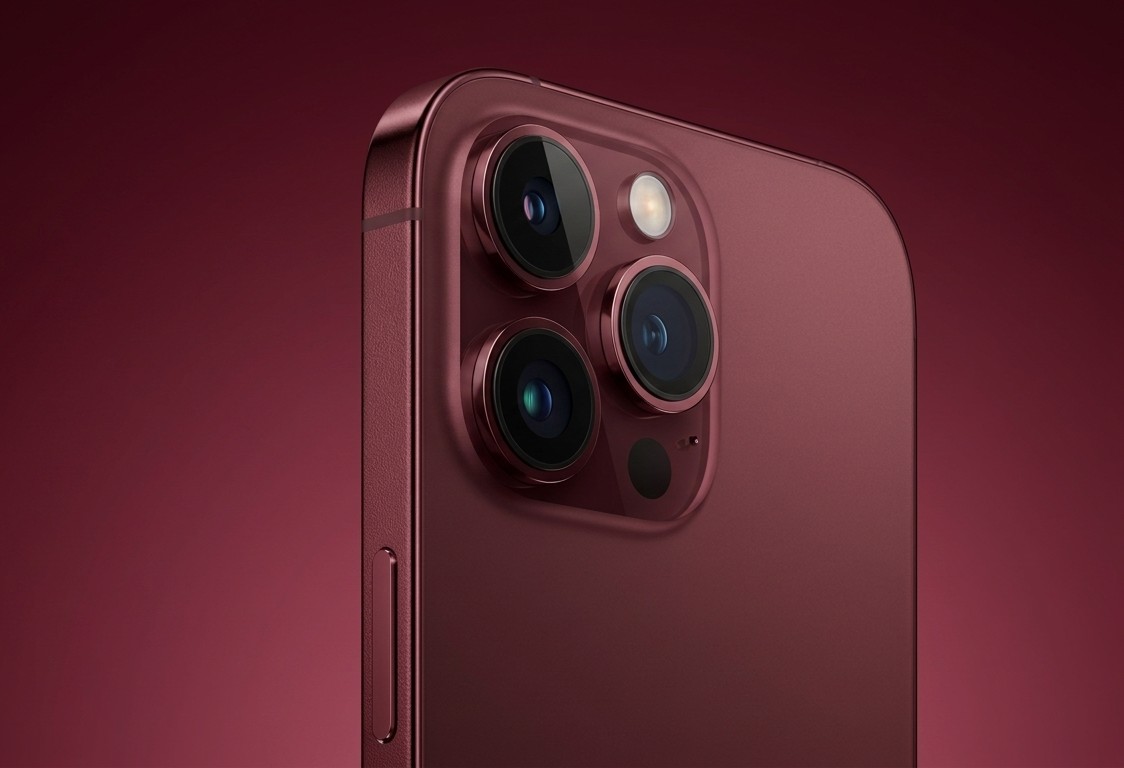
Apple has increasingly focused on its Pro lineup, with premium models often receiving the newest hardware and software features first.
The upcoming iPhone 18 Pro series is expected to continue that trend.
Although Apple has not officially confirmed any specifications, reports indicate the Pro models could receive:
- Faster next-generation Apple chips
- Improved camera systems
- Enhanced AI capabilities
- Better battery efficiency
- Display improvements
The biggest surprise, however, could be Apple’s first foldable smartphone.
Foldable iPhone May Be Called “iPhone Ultra”
Multiple reports suggest Apple’s long-rumored foldable iPhone could finally debut this September.
Instead of using the “Fold” branding that many Android manufacturers have adopted, Apple is reportedly considering the name iPhone Ultra.
While Apple has not officially confirmed the device, the foldable model is expected to become Apple’s most premium smartphone, positioned above the Pro Max lineup.
Industry analysts expect it to feature:
- A foldable OLED display
- Premium build quality
- High-end camera hardware
- Advanced multitasking capabilities
- A premium price tag
If introduced, it would mark Apple’s first entry into the foldable smartphone market after years of speculation.
Regular iPhone 18 May Launch in March 2027
Unlike previous years, the standard iPhone 18 may not be announced alongside the Pro models.
Instead, reports suggest Apple could move its release to March 2027.
The delayed lineup may include:
- Standard iPhone 18
- iPhone 18e
- iPhone Air 2
This would represent a major shift from Apple’s traditional release schedule.
For comparison:
- iPhone Air launched alongside the iPhone 17 lineup in September 2025.
- Previous standard iPhone models were also released during Apple’s annual September keynote.
If the rumors prove correct, consumers interested in Apple’s more affordable iPhone models will need to wait several additional months.
Apple May Be Following a Two-Stage Launch Strategy
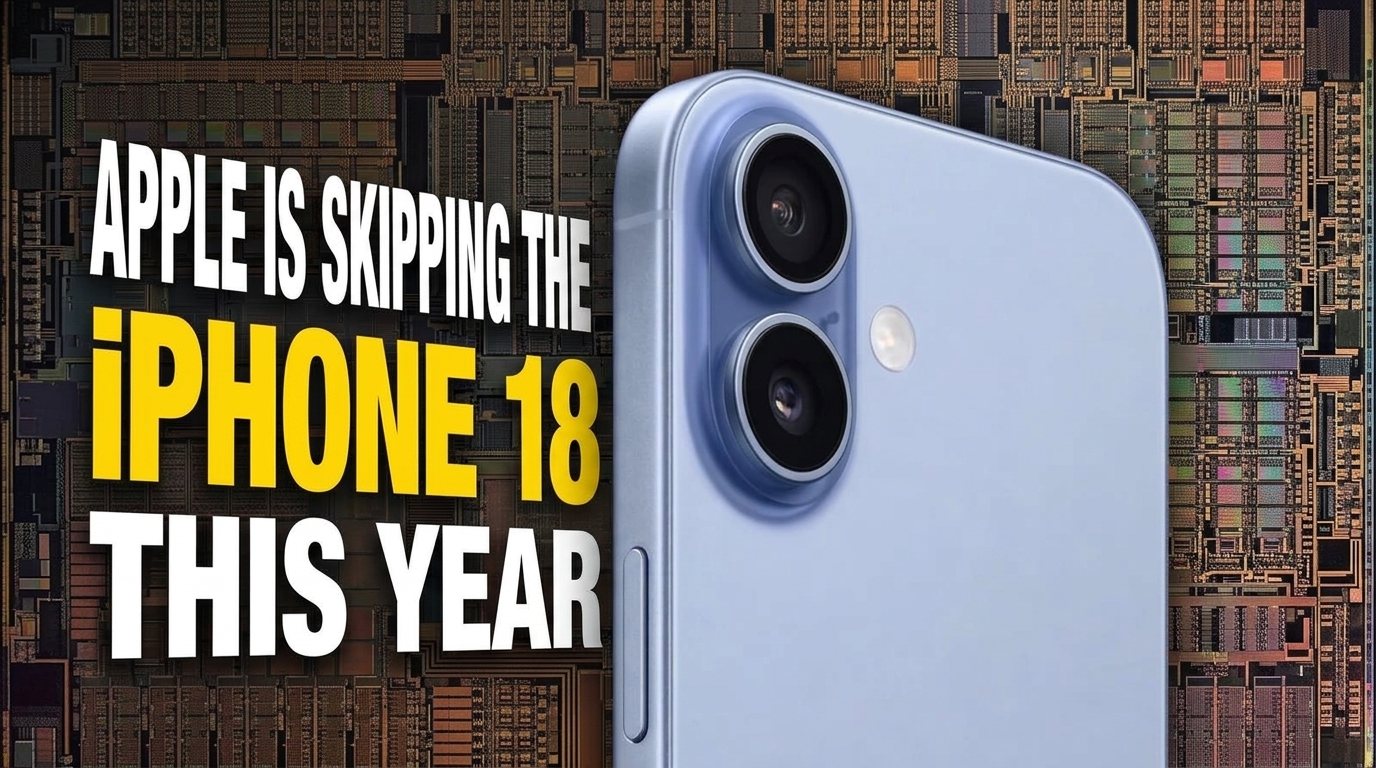
The reported schedule suggests Apple wants to divide its product launches into two separate events.
A possible timeline could look like this:
September 2026
- iPhone 18 Pro
- iPhone 18 Pro Max
- Foldable iPhone Ultra
March 2027
- iPhone 18
- iPhone 18e
- iPhone Air 2
Such a strategy could help Apple maintain consumer interest throughout the year instead of concentrating all announcements into a single event.
Why Apple Might Change Its Strategy
Although Apple has not explained its plans, industry observers believe several factors could influence this decision.
Giving Premium Models More Attention
Launching only the Pro lineup during September could allow Apple to highlight its most advanced devices without competition from lower-priced models.
Better Production Management
Producing multiple iPhone models at the same time places significant pressure on Apple’s manufacturing partners.
Splitting launches may help simplify production and reduce supply chain challenges.
Extending Product Visibility
Instead of receiving media attention only once a year, Apple could remain in the spotlight with major product announcements every six months.
This approach may also help boost sales during traditionally slower periods.
More Time for New Devices
Products like the foldable iPhone and future Air models may require additional engineering and testing.
A staggered launch schedule provides Apple with greater flexibility.
What About the iPhone Air?
Apple introduced the iPhone Air as a thinner alternative within its smartphone lineup.
According to current reports, the second-generation iPhone Air 2 may also move to the March 2027 launch window.
This suggests Apple could position the Air series closer to its standard iPhone models rather than the premium Pro lineup.
Will This Affect Existing iPhone Users?
For current iPhone owners, the reported strategy change may simply offer more choices throughout the year.
Customers wanting Apple’s newest premium features could upgrade in September.
Those looking for a more affordable iPhone may prefer waiting until March.
This staggered schedule could also reduce the pressure of making purchasing decisions during a single annual launch event.
Nothing Is Official Yet
It’s important to remember that Apple has not officially announced these release plans.
The information currently comes from industry reports and supply chain sources.
Apple’s final product lineup, release dates, model names, and launch schedule could change before the official announcement.
As always, consumers should wait for Apple’s official event before treating any report as confirmed.
If the reports are accurate, Apple is preparing one of the biggest changes to its iPhone release strategy in years. Rather than unveiling every new iPhone model during its traditional September event, the company may separate premium and standard devices into different launch windows.
The expected September 2026 event could focus on the iPhone 18 Pro, iPhone 18 Pro Max, and Apple’s first foldable iPhone Ultra, while the regular iPhone 18, iPhone 18e, and iPhone Air 2 may not arrive until March 2027.
A staggered release strategy could allow Apple to extend product visibility, simplify manufacturing, and give each device lineup more individual attention. Until Apple officially confirms its plans, however, these details remain based on reports and should be viewed as speculation rather than confirmed information.