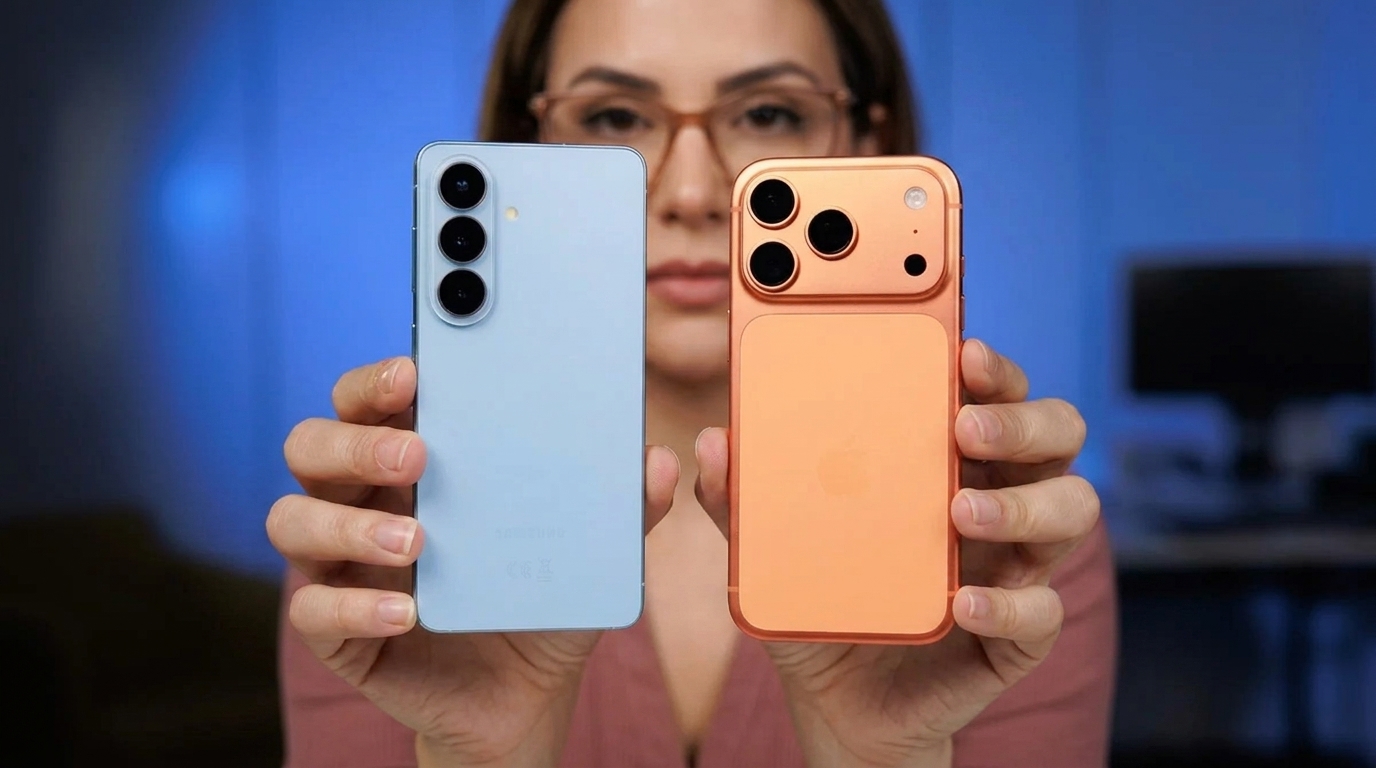
Samsung has spent years trying to convince iPhone users in the United States to switch to Galaxy devices. With cutting-edge foldable phones, advanced AI features, and premium hardware, the company has built one of the strongest Android ecosystems available. However, one major obstacle continues to stand in its way: pricing.
As Samsung’s latest Galaxy devices become increasingly expensive, many consumers are questioning whether the company is missing a valuable opportunity to compete more aggressively with Apple in its most important market. While Samsung continues to innovate, its pricing strategy may actually be making Apple’s iPhone look like the safer purchase for many American buyers.
Samsung’s Foldable Phones Are More Expensive in the US
Samsung recently introduced its newest foldable smartphones, including the Galaxy Z Fold 8 and Galaxy Z Fold 8 Ultra. Although these devices debut at lower prices in South Korea, American customers pay significantly more.

The pricing difference is substantial.
| Device | South Korea | United States | Difference |
|---|---|---|---|
| Galaxy Z Fold 8 Ultra | Around $1,743 | $2,099 | About 20% higher |
| Galaxy Z Fold 8 | Around $1,541 | $1,899 | About 23% higher |
European pricing is reportedly even higher, but the U.S. market deserves special attention because it remains Apple’s strongest territory.
Of course, pricing differences between countries are common. Companies must account for import duties, logistics, marketing expenses, carrier partnerships, exchange rates, local taxes, and regional business costs. These factors naturally increase retail prices outside a product’s home market.
Still, Samsung may be overlooking a strategic opportunity.
The United States Is Apple’s Strongest Market
Unlike many global smartphone markets where Android dominates, the United States has long been led by Apple’s iPhone.
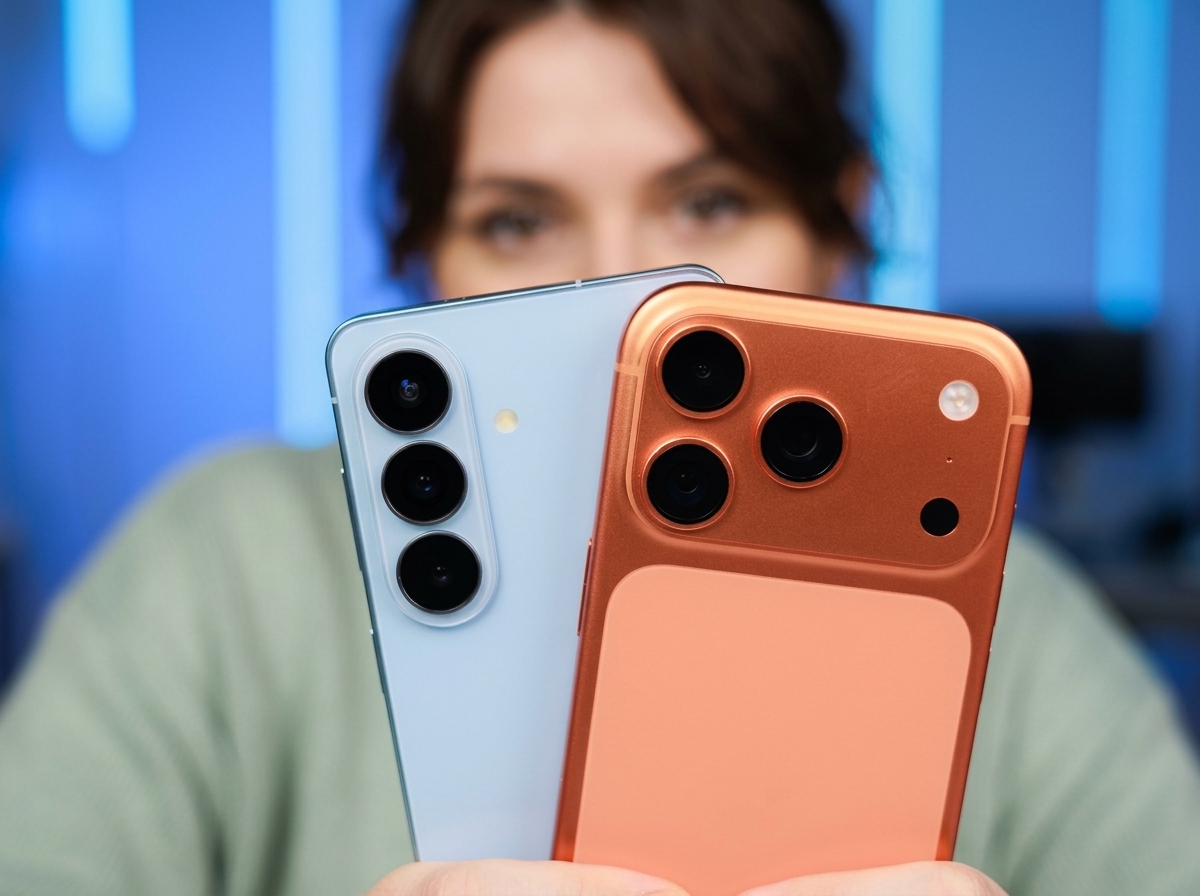
Millions of American consumers already use:
- iPhone
- Apple Watch
- Mac
- iPad
- AirPods
- iCloud services
This creates an ecosystem that encourages customers to remain within Apple’s product lineup. Switching platforms often means changing multiple devices and services rather than replacing a single smartphone.
Because of this, attracting iPhone users requires more than incremental hardware improvements.
Hardware Alone Isn’t Enough
Samsung continues improving its foldable lineup every year.
Recent upgrades include:
- Thinner designs
- Better displays
- Improved cameras
- Enhanced Galaxy AI features
- More durable hinges
- Faster processors
These improvements certainly make Galaxy devices more competitive.
However, many loyal iPhone owners are unlikely to switch simply because Samsung reduced a phone’s thickness by a millimeter or introduced another AI feature.
Price remains one of the strongest motivations for consumers considering a platform change.
Could Lower Prices Win More Customers?
Imagine Samsung pricing the Galaxy Z Fold 8 around $1,700 or $1,750 instead of nearly $1,900.
Likewise, imagine keeping the Galaxy Z Fold 8 Ultra comfortably below the psychological $2,000 mark.
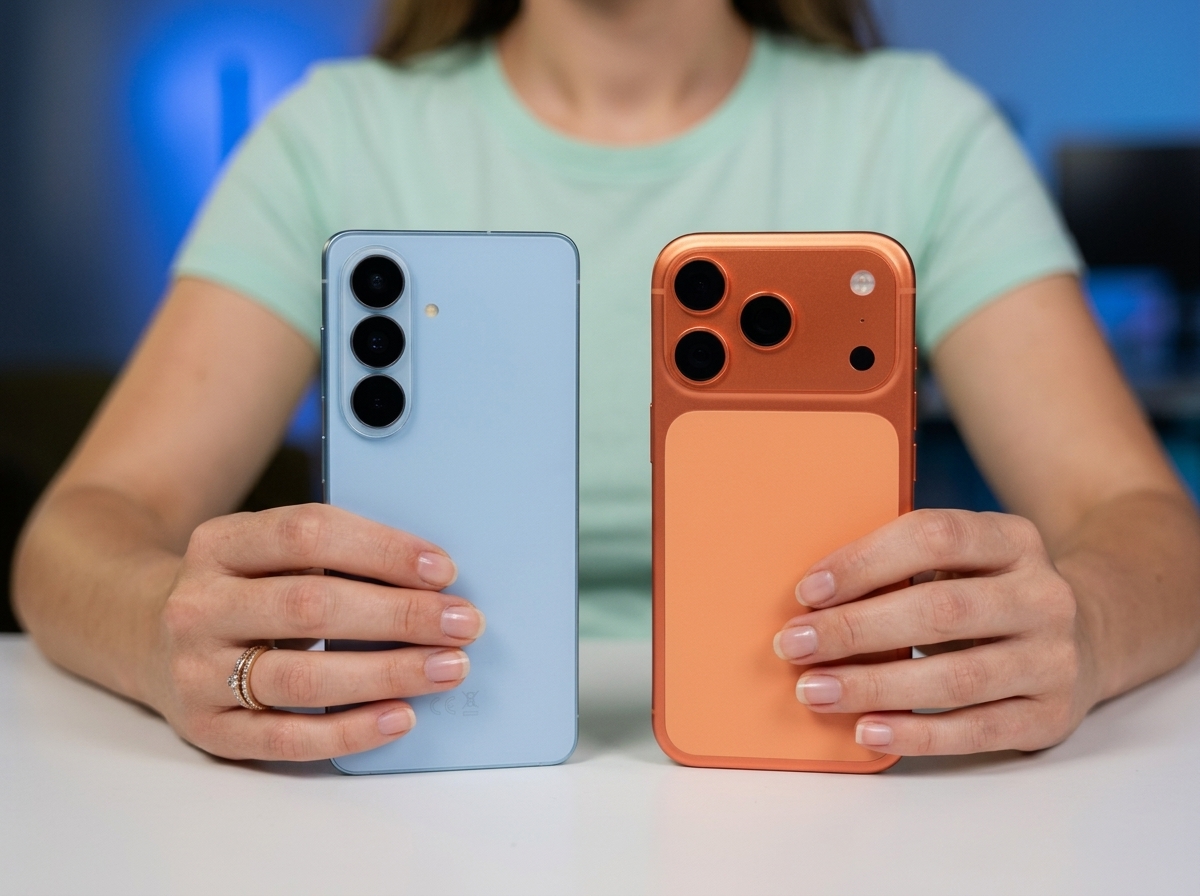
Such pricing would likely reduce Samsung’s profit margin on each individual device.
However, lower prices could potentially:
- Encourage more iPhone users to switch
- Increase overall sales volume
- Strengthen Samsung’s position in the premium market
- Generate more positive consumer discussions
- Differentiate Galaxy foldables before Apple enters the category
While there is no guarantee that lower pricing would fully offset reduced margins, it could become a powerful competitive strategy.
Samsung Faces Less Android Competition
The premium Android market in the United States is becoming increasingly concentrated.
Some manufacturers have reduced their presence, while others are rumored to raise prices on future flagship devices.
If fewer premium Android alternatives remain available, Samsung has an opportunity to become the default choice for customers seeking a high-end Android experience.
At the same time, consistently increasing prices may weaken that advantage.
Premium Android Phones Continue to Get More Expensive
Samsung has already increased prices for parts of its flagship lineup.
Reports indicate that the Galaxy S26 starts at a higher price than its predecessor, while future premium Galaxy models may become even more expensive if current rumors prove accurate.
If flagship Android devices approach or match Apple’s pricing across the board, consumers may begin asking an important question:
“If both phones cost nearly the same, why switch away from the iPhone?”
This question becomes especially relevant for customers already invested in Apple’s ecosystem.
Apple’s Foldable iPhone Is Getting Closer
Industry expectations suggest Apple could introduce its first foldable iPhone in the near future.
Although nothing is officially confirmed, analysts widely expect Apple’s first foldable device to carry a premium price tag.
Samsung currently enjoys several advantages:
- Years of foldable experience
- Mature hardware
- Refined software
- Strong manufacturing capabilities
- Established Galaxy Fold brand recognition
These advantages give Samsung a valuable head start.
Competitive pricing could further strengthen its position before Apple officially enters the foldable smartphone market.
Pricing Can Influence Buying Decisions
For many consumers, purchasing decisions are influenced by more than specifications alone.
Factors often include:
- Brand loyalty
- Software support
- Trade-in offers
- Carrier promotions
- Financing options
- Overall value
A more competitive launch price can significantly improve a product’s perceived value, particularly in highly competitive markets like the United States.
Samsung Doesn’t Need to Be the Cheapest
No premium smartphone manufacturer is expected to sell flagship devices at budget prices.
Research, development, advanced displays, foldable technology, and premium materials all contribute to higher manufacturing costs.
Rather than dramatically cutting prices, Samsung could focus on keeping future increases modest or maintaining stable pricing across multiple generations.
Price stability may appeal to consumers who are increasingly concerned about rising smartphone costs.
Samsung remains one of the world’s leading smartphone manufacturers, and its Galaxy lineup continues to push innovation in foldable technology and artificial intelligence. However, success in the U.S. market depends on more than hardware improvements alone.
With Apple maintaining exceptionally strong customer loyalty, pricing becomes one of Samsung’s most effective tools for attracting new buyers. While current price differences between regions can be explained by business realities, a more aggressive pricing strategy could make Galaxy devices even more appealing to American consumers.
As competition intensifies and Apple’s foldable ambitions move closer to reality, Samsung faces an important strategic decision: continue raising prices alongside the broader premium smartphone market, or leverage pricing as a competitive advantage to attract more users before the landscape changes.
Either approach carries trade-offs, but pricing will likely remain one of the most closely watched factors in the battle between Samsung and Apple over the coming years.