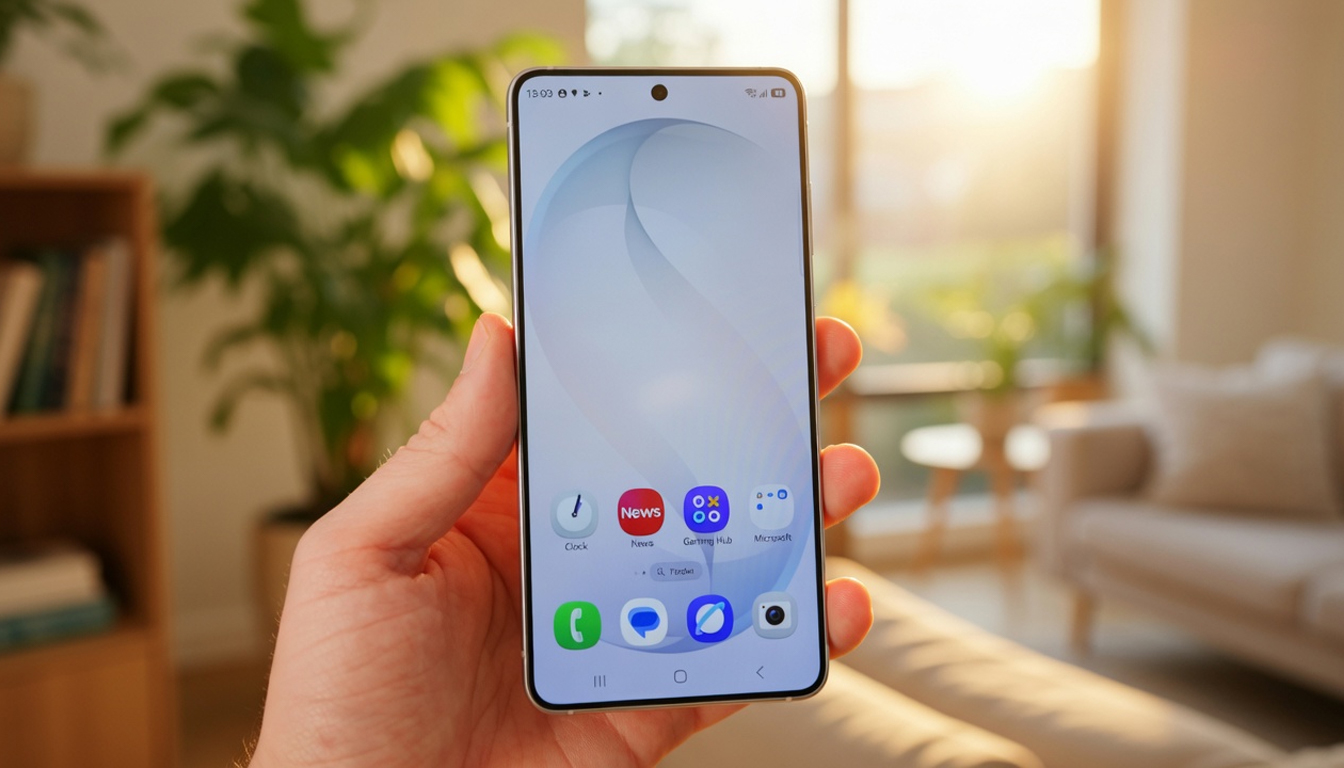
Samsung is continuing its push toward AI-powered smartphone experiences, and the company is now exploring a concept known as “vibe coding” for future Galaxy devices.
According to recent comments from company officials, Samsung is researching ways to allow users to create or customize apps and smartphone features using artificial intelligence, even if they have no programming experience. If implemented, this technology could completely change how users interact with their smartphones.
Instead of simply installing apps from an app store, users might be able to generate custom tools, widgets, or app features themselves using AI assistance.
What Is Vibe Coding?
Vibe coding is a relatively new concept that allows people to create apps, tools, or digital experiences using AI prompts instead of traditional programming.
Rather than writing complex lines of code, users simply describe what they want. The AI system then generates the necessary code or functionality automatically.
For example, a user could potentially type something like:
- “Create a widget that shows my calendar and weather together.”
- “Make a simple app that tracks my daily water intake.”
- “Customize my phone interface to focus only on work apps.”
The AI system would then generate the functionality instantly.
This approach makes software customization accessible to people with little or no coding knowledge.
Samsung’s Vision for AI Customization
The idea was discussed by Woo‑Joon Choi, who explained that Samsung is exploring ways to expand personalization beyond just apps.
According to him, the company is studying the possibility of allowing Galaxy users to customize:
- Individual apps
- Phone interface elements
- System features
- Personal workflows
This means the entire smartphone user experience (UX) could become customizable through AI.
Samsung’s long-term goal is to allow users to adapt their phones to their exact needs, rather than relying only on pre-built features.
How AI Could Change Galaxy Phones
Samsung has been heavily investing in artificial intelligence across its Galaxy lineup. The introduction of Galaxy AI features has already brought tools like real-time translation, AI photo editing, and smart summaries.
Adding vibe coding could take this idea even further by letting users create new tools on demand.
Here are some potential examples of what users might be able to do in the future:
| Possible Feature | Example |
|---|---|
| Custom Widgets | Create widgets for weather, tasks, and reminders |
| Personalized Apps | Generate small apps for tracking habits or goals |
| UI Customization | Change layouts or navigation behavior |
| Smart Automation | Automate routines using AI commands |
Such features would transform smartphones from fixed systems into highly adaptable digital tools.
Inspiration from Other AI Projects
The idea of AI-powered customization is already starting to appear in some projects.
For example, the company Nothing Technology Limited recently introduced a concept called Essential Apps.
This experimental project allows users to generate homescreen widgets with app-like features using AI models. Instead of downloading a traditional app, users can describe what they want and the system generates the functionality.
This approach demonstrates how AI can empower users to create personalized digital tools instantly.
AI Is Already Helping App Developers
While vibe coding focuses on everyday users, AI tools are already widely used by developers.
Companies like Google are actively promoting AI tools to help programmers write code faster and more efficiently. In fact, Google now recommends specific AI models that can assist with Android app development.
These AI systems can:
- Generate code snippets
- Suggest improvements
- Debug programming errors
- Build prototypes quickly
Samsung’s idea of vibe coding could bring similar capabilities directly to smartphone users.
Potential Benefits for Galaxy Users
If Samsung successfully integrates vibe coding into future Galaxy devices, users could enjoy several advantages.
Easier Personalization
Users would be able to design apps or widgets tailored exactly to their needs.
Faster Problem Solving
Instead of searching for apps, users could create simple solutions instantly.
Creativity and Productivity
People could experiment with new ideas and tools without needing technical skills.
Better Accessibility
Users who cannot code would still be able to build useful digital tools.
These benefits could make smartphones more personal and more powerful than ever before.
Challenges and Unanswered Questions
Although the concept sounds exciting, there are still many unanswered questions about how Samsung plans to implement vibe coding.
Some challenges include:
- Ensuring AI-generated apps remain secure
- Preventing malicious code generation
- Maintaining system stability
- Designing a simple interface for non-technical users
Because of these challenges, Samsung has not yet confirmed when or if the feature will officially arrive on Galaxy phones.
What This Means for the Future of Smartphones
The idea of AI-generated apps represents a major shift in how people interact with technology.
Traditionally, users rely on app developers to build tools for them. But with AI-assisted development, anyone could potentially create their own apps or features instantly.
If Samsung brings vibe coding to its Galaxy ecosystem, smartphones could become more flexible platforms where users shape their own digital environment.
This would mark a significant step toward a future where smartphones adapt to users, rather than users adapting to their devices.
Final Thoughts
Samsung’s exploration of AI-powered vibe coding highlights the company’s commitment to pushing the boundaries of smartphone innovation. By allowing users to create apps, customize their interfaces, and design new tools with AI assistance, future Galaxy devices could become far more personalized and powerful.
While the feature is still only a concept for now, it represents an exciting glimpse into how artificial intelligence could transform everyday smartphone experiences in the years ahead.