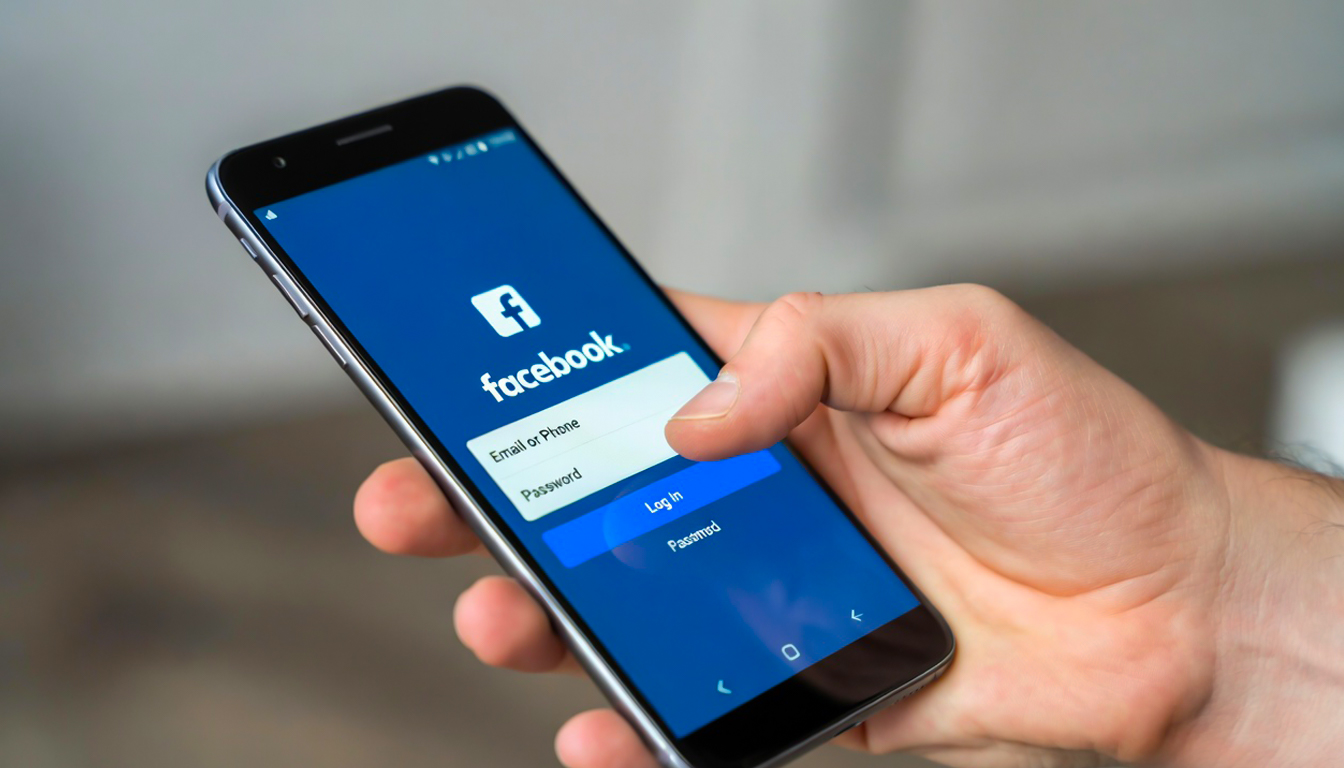
In a significant change for digital communication, Meta Platforms Inc., the parent company of Facebook, has announced that it will shut down its standalone Messenger.com website. The platform, which has allowed users to access Messenger without opening Facebook since 2015, will officially stop working after April 15, 2026. For many users, this marks the end of a simple and distraction-free way to chat online.
Messenger.com was originally created to give desktop users a cleaner messaging experience. People could send messages, make voice and video calls, and manage group chats without seeing Facebook’s news feed, ads, or other social features. Over the years, it became especially popular among professionals, remote workers, and users who preferred to keep their conversations separate from social browsing. However, with the rise of mobile apps and integrated platforms, the website has seen a steady decline in usage.
According to Meta, the decision is part of a larger strategy to simplify its services and focus on unified user experiences. Instead of maintaining separate platforms, the company wants users to rely on Facebook’s main website and the Messenger mobile app. Meta also stated that this move will help optimize resources and improve overall performance across its ecosystem.
Users visiting Messenger.com are already seeing notifications about the upcoming shutdown through banners and emails. After the deadline, the website will automatically redirect visitors to Facebook.com, where messaging will still be fully available. The Messenger mobile app will continue to operate as usual and remain the main standalone option for users who prefer messaging without browsing Facebook.
The Messenger app itself has evolved significantly in recent years. It now includes features such as end-to-end encryption, group video rooms, voice messaging, file sharing, and integrations with other Meta services like Instagram and WhatsApp. Meta has assured users that all chats, contacts, and shared media will remain safe and automatically accessible after the transition.
The shutdown will affect different groups in different ways. Businesses that rely on Messenger for customer support and online sales may need to adjust their workflows to use Facebook’s main interface or mobile tools. Educational organizations and teams that used the site for quick coordination may also need to adapt. Meanwhile, users who valued the website’s simple and minimal design might find the change less convenient.
This move also reflects a broader trend in the tech industry. Many companies are gradually shutting down older web-only platforms to focus on modern, mobile-first, and integrated services. Meta says it will provide guidance and in-app tutorials to help users smoothly transition to the new experience.