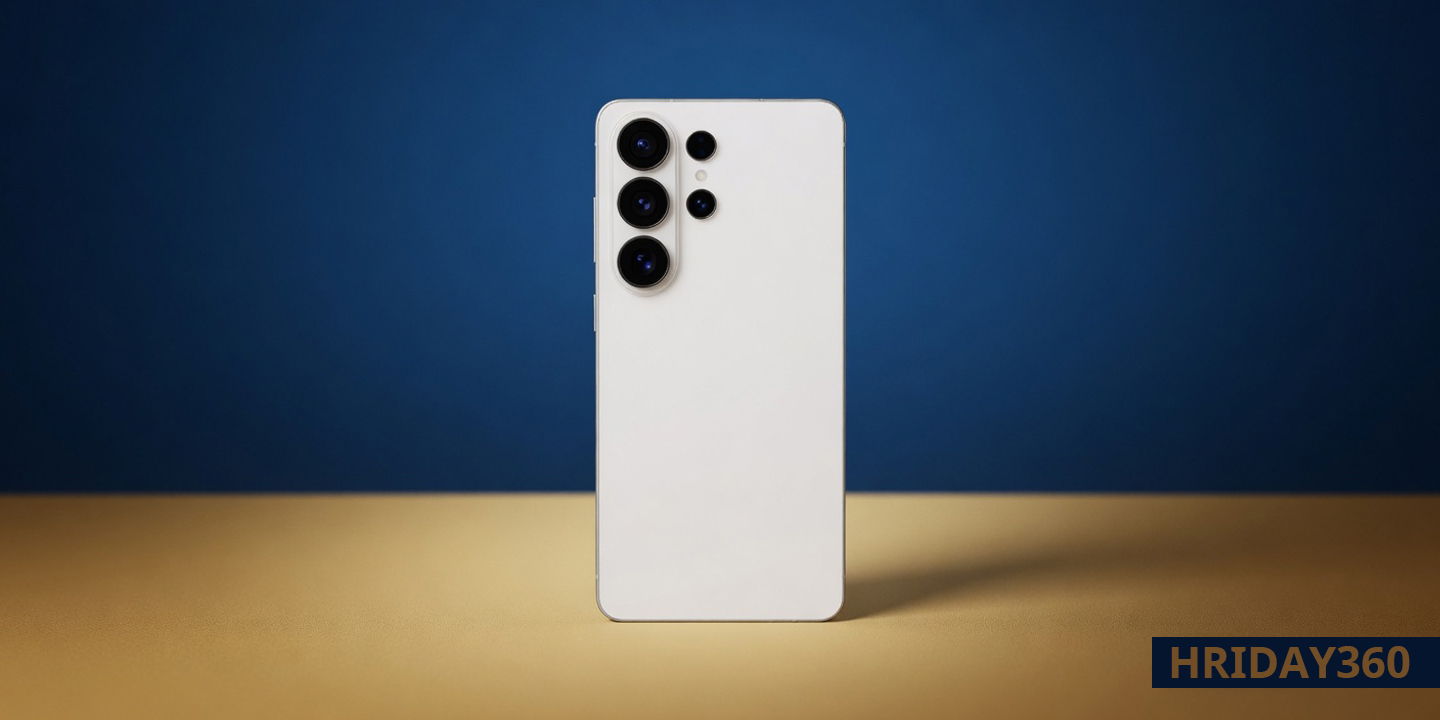
For years, Samsung has been known for producing some of the best smartphone displays in the industry. I personally used Samsung phones for nearly six years, and the display quality was always a major highlight of the experience.
However, after recently comparing the Samsung Galaxy S26 Ultra with the Google Pixel 10 Pro side by side, I realized something surprising — I couldn’t go back to using Samsung’s flagship screen.
Brightness Makes a Bigger Difference Than You Think
For a long time, I believed that display brightness had reached a point of diminishing returns. Once screens crossed the 1,500 to 2,000 nits mark, I assumed the difference would be minimal in real-world use.
That assumption turned out to be completely wrong.
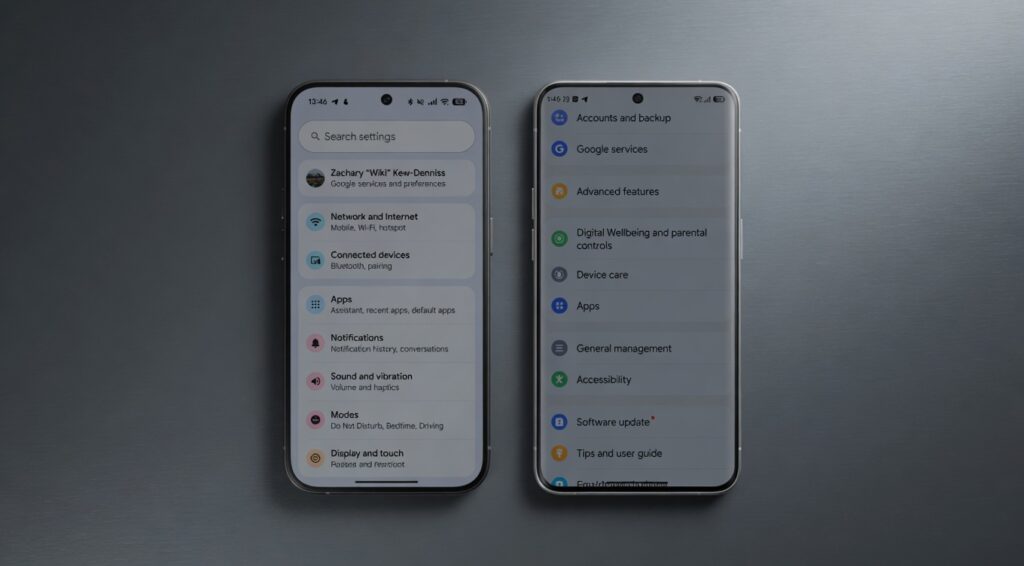
When I took both phones outdoors under bright sunlight, the difference was immediately noticeable. The Pixel 10 Pro’s display was significantly easier to see, especially while framing photos. While the difference may not look dramatic through a camera, in real life, it’s striking.
- Galaxy S26 Ultra: 2,600 nits peak brightness
- Pixel 10 Pro: 3,300 nits peak brightness
That extra 700 nits made a real impact. During a recent trip with unusually sunny weather, the Pixel consistently outperformed the S26 Ultra in visibility and usability.
Outdoor Photography: Where It Really Shows
The brightness gap becomes especially important when using the camera outdoors. On the Pixel, I could clearly see what I was capturing, adjust framing easily, and shoot with confidence.
On the S26 Ultra, however, the screen often felt dimmer in comparison, making it harder to preview shots accurately.
This isn’t just about numbers — it directly affects usability in everyday scenarios.
Is the Privacy Display Causing the Problem?
The S26 Ultra includes a “Privacy Display” feature designed to reduce viewing angles and prevent others from seeing your screen. It’s an impressive piece of technology and feels almost magical when demonstrated.
But after extended use, I started questioning whether it might be affecting the viewing experience.
Even when the feature is turned off, the display still seems harder to view compared to other devices. However, I’m not entirely convinced that this feature alone is responsible.
Comparing With Other Samsung Devices
Interestingly, I also had a Samsung Galaxy Z Fold 7 on hand, which offers similar brightness levels to the S26 Ultra.
Surprisingly, the Fold 7 was also difficult to see outdoors compared to the Pixel. This suggests that the issue may not be limited to the Privacy Display feature alone.
A More Serious Issue: Eye Strain and Migraines
Beyond brightness, there’s another problem that’s much harder to ignore.
I’ve been dealing with chronic migraines since my early teens, and something about the S26 Ultra’s display doesn’t sit well with me. After just a few minutes of use, I start experiencing discomfort.
Symptoms include:
- Eye strain and blurry vision
- Nausea
- Fatigue
- Neck stiffness
With longer use, these symptoms can develop into a full migraine.
I’m not alone in this experience. Some users have reported similar issues, including eye strain and discomfort after extended use.
Possible Causes: PWM and Display Behavior
There’s no confirmed explanation for these issues, but one possible factor could be low PWM (Pulse Width Modulation) dimming. This is a technique used to control screen brightness, but it can cause flickering that some users are sensitive to.
However, this theory isn’t fully convincing either.
The Galaxy Z Fold 7 uses a similar PWM rate, yet it has never caused me any discomfort. That’s why I still suspect that the Privacy Display — or a combination of factors — may be contributing to the problem.
Why This Matters for Everyday Use
At the end of the day, the cause doesn’t matter as much as the experience.
A smartphone is something you use for hours every day. If the display causes discomfort or affects your health, it becomes a serious issue.
While I could overlook slightly lower brightness, I can’t ignore a device that makes me feel physically unwell after just a short period of use.
Final Thoughts: A Surprising Shift
When Google claimed that the Pixel 10 Pro had one of the best displays in the world, many people were skeptical.
After using it extensively, I now understand that claim a lot better.
Compared to Samsung’s current approach, especially with the S26 Ultra, the Pixel offers a more comfortable and usable display experience — at least for me.
Should You Avoid the Galaxy S26 Ultra?
Not necessarily.
The Galaxy S26 Ultra is still a powerful flagship device with many strengths. But if you:
- Spend a lot of time outdoors
- Are sensitive to display flickering
- Experience eye strain easily
Then it’s definitely worth trying the device in person before buying.
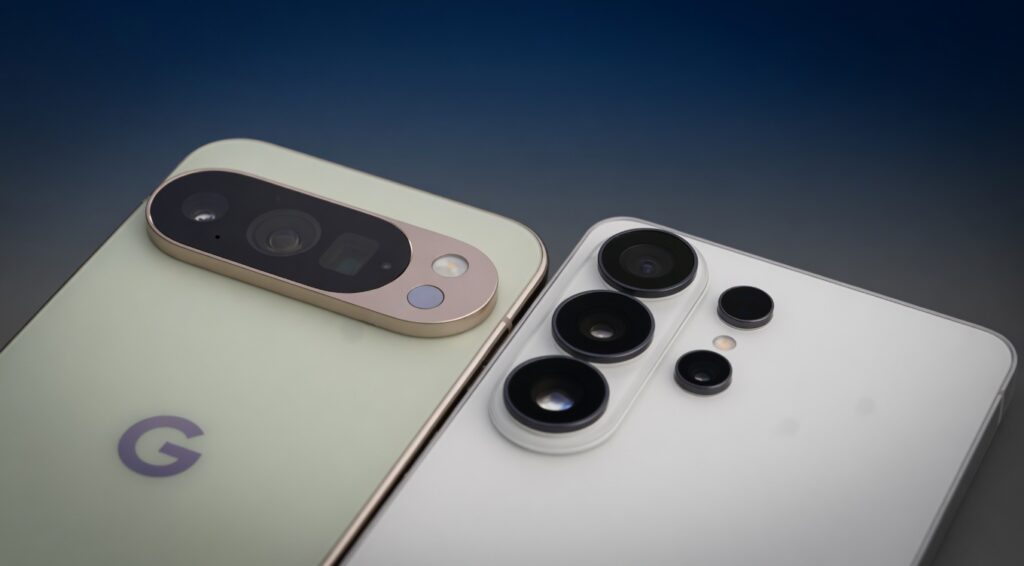
Display quality isn’t just about specs — it’s about real-world comfort and usability. And in my case, the Galaxy S26 Ultra simply didn’t meet that standard.